SERPENTINE
CALMING | FEAR (OVERCOMING)
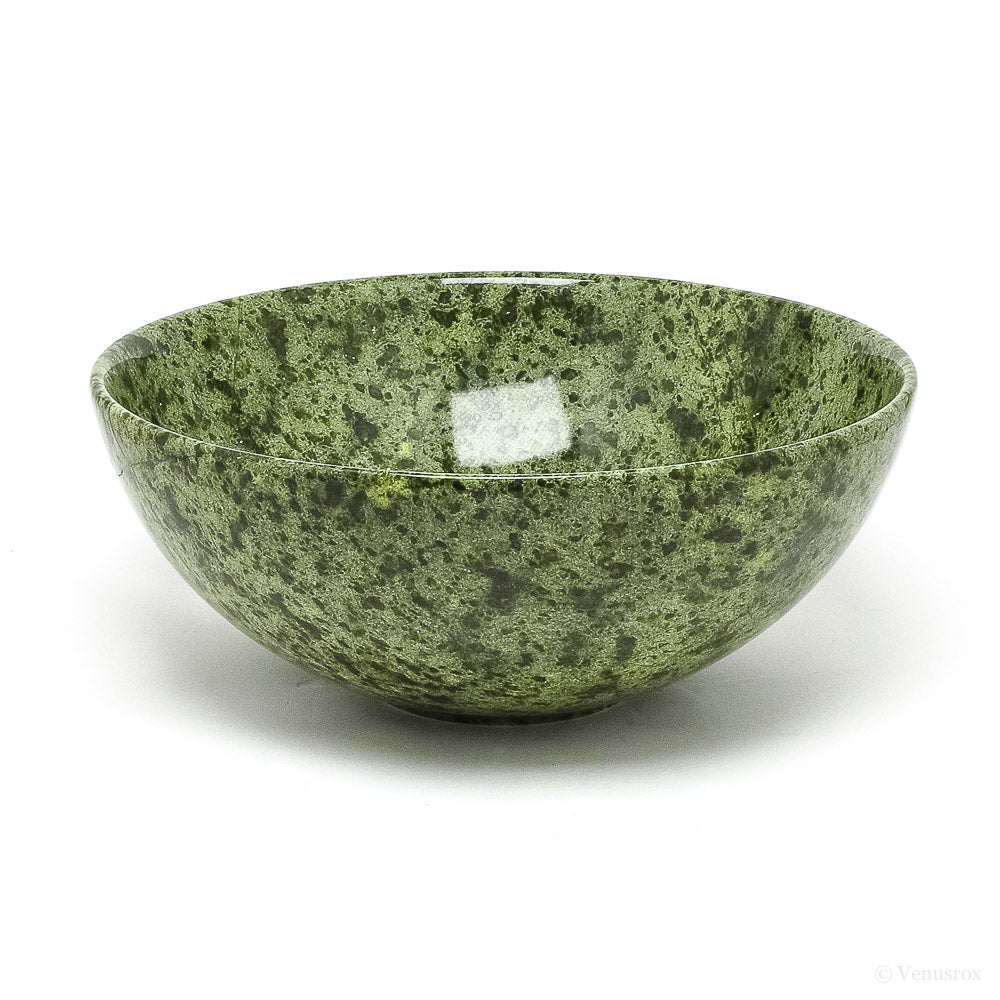
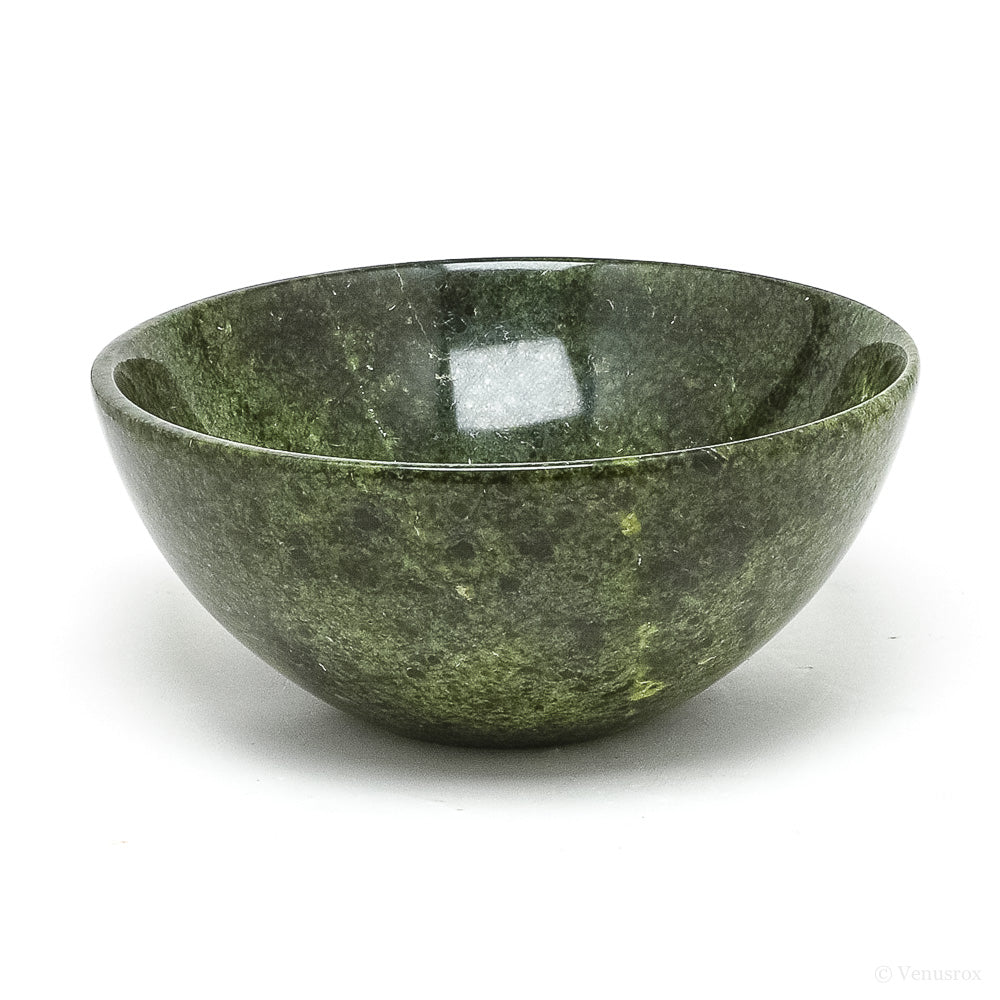
Serpentine is a group of Hydrated Magnesium Iron Silicate minerals, and the name is thought to come from the mottled, snake-skin look of the stone. The green runs from pale apple to deep forest, often swirled and patched with darker zones.
It forms when ultramafic rocks, rich in Magnesium and Iron, are altered by hot water in a process called Serpentinisation. The original minerals, mainly Olivine and Pyroxene, break down and recrystallise as Serpentine. This usually happens along tectonic boundaries, where seawater or hydrothermal fluids move through fractured rock. The chemistry of those fluids varies from place to place, which is why colour and pattern can change so much within a single piece.
The group includes three main varieties. Antigorite is the most common and the usual source of polished ornamental stone. Lizardite is fine-grained and often massive. Chrysotile is fibrous and silky in appearance.
Serpentine sits at 2.5 to 5.5 on the Mohs scale. It is often found with other minerals formed in the same environment, including Magnetite, Pyrite and Talc.
Sources are widespread. China, Afghanistan, Russia, Italy, the United States and Peru all produce it.