
_____
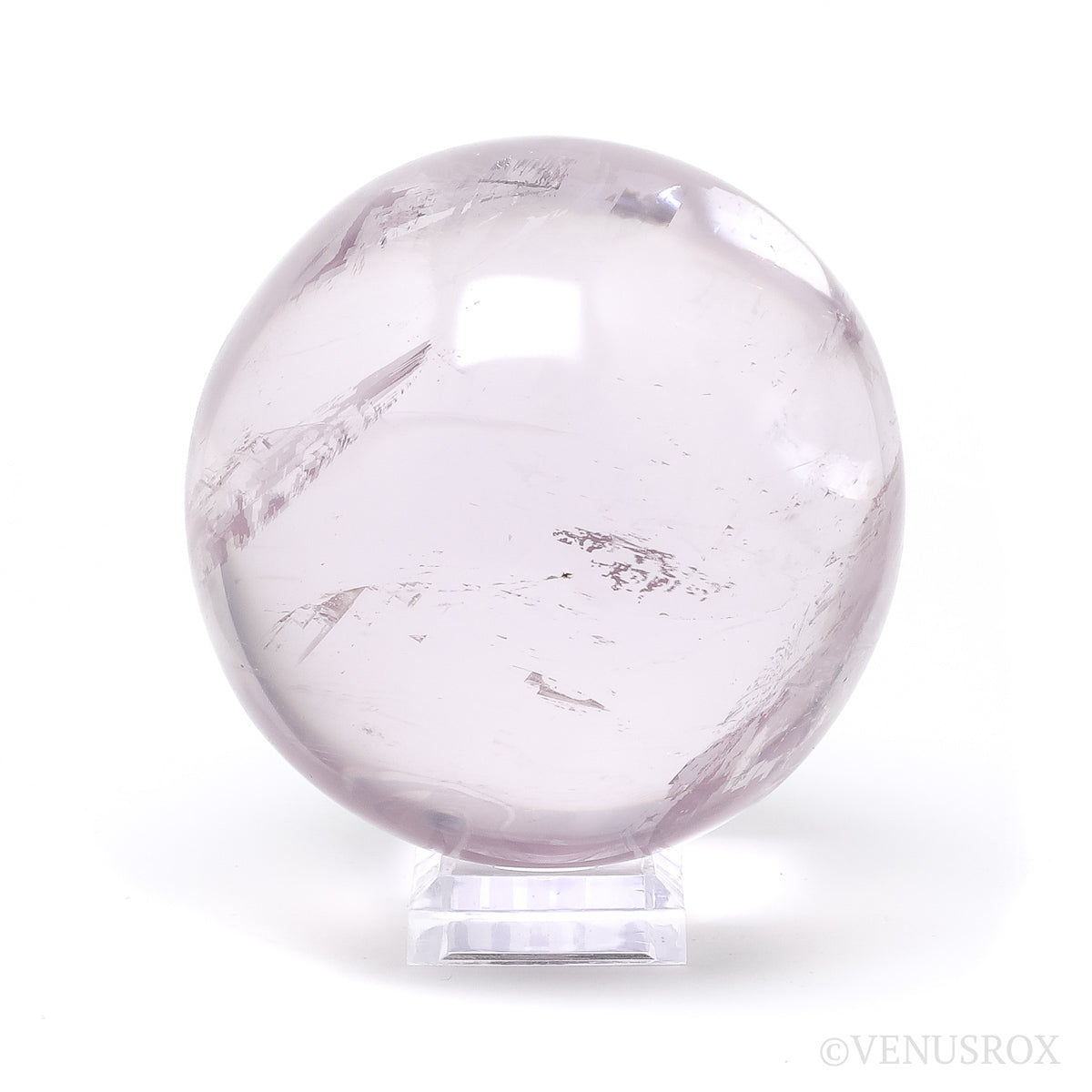
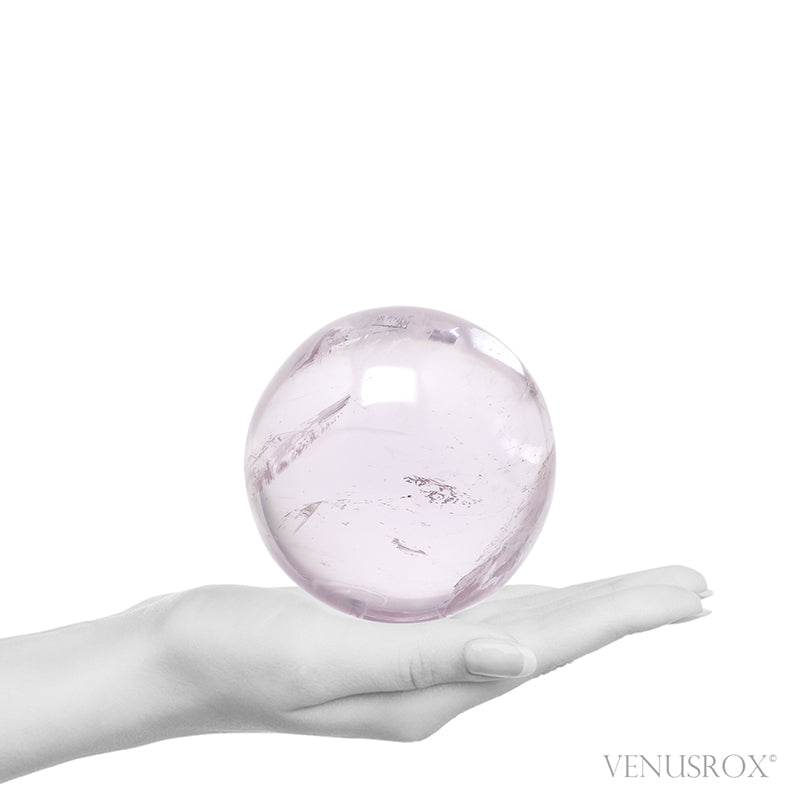
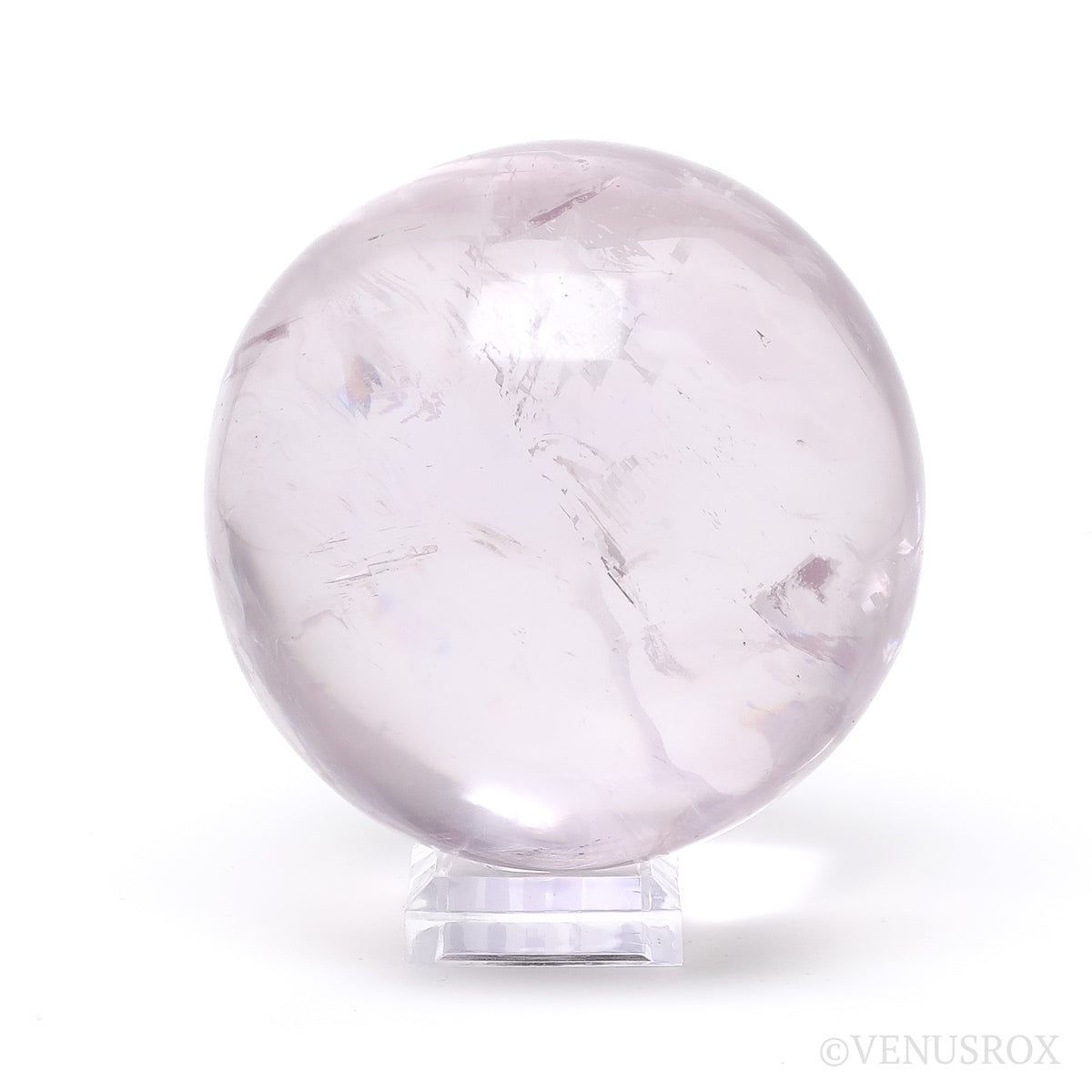
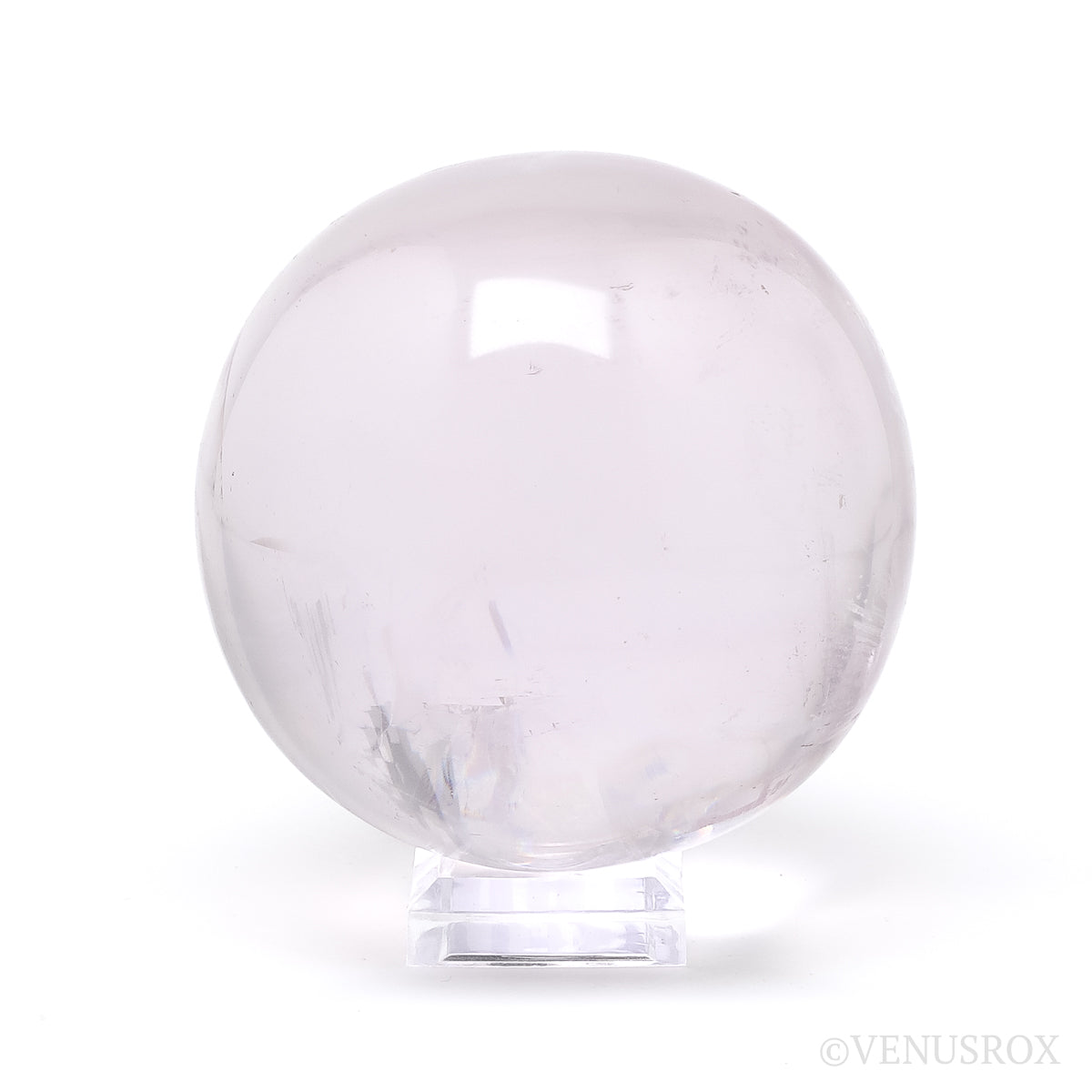
CALCITE (PINK TRANSPARENT) SPHERE
Diameter:
The stand is included
_____
Packaging & provenance
Each specimen leaving Venusrox is packed individually, to the standard the piece itself commands, in luxury Venusrox branded packaging.
Fragile formations are cradled in custom-created internal packaging before being placed within a protective outer case, built to the dimensions and weight of the individual piece. Nothing is packed to a template.
Every shipment is fully insured from despatch to delivery.
Pieces travel with their documentation, sealed within the shipment.
For statement and collector-grade pieces, we are glad to discuss packaging and transit arrangements directly. Arrange a private viewing or contact the gallery before ordering.
Choose options
CALCITE (PINK TRANSPARENT) SPHERE
Sale priceAED 22,500.00